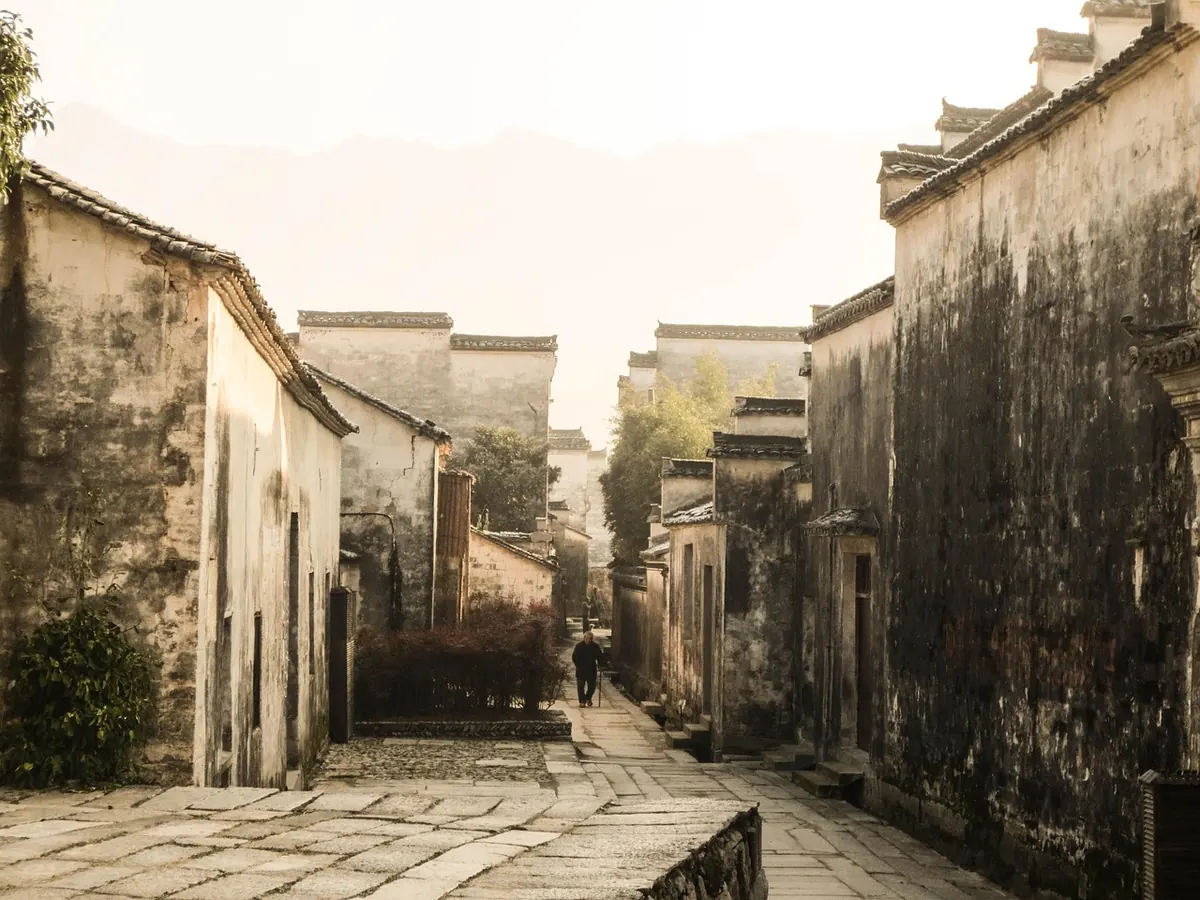
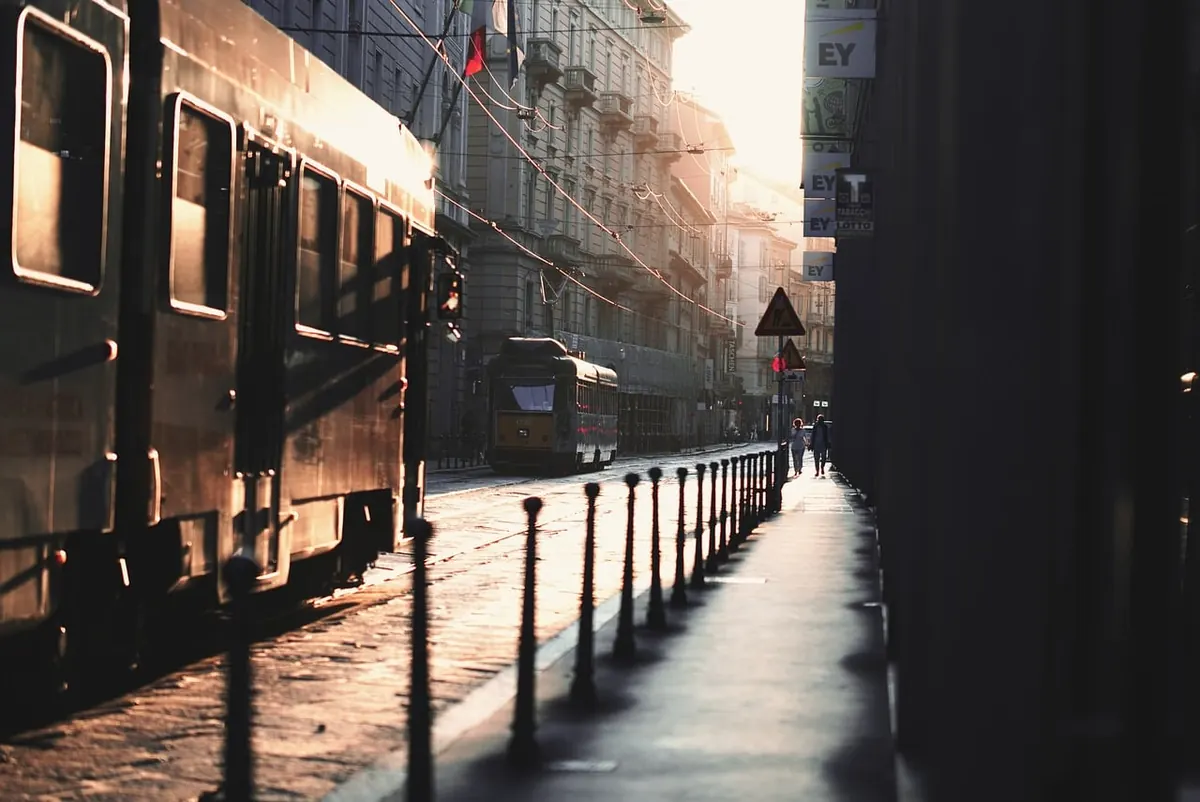
A Seasonal Guide to Alley Walks in Italy: Spring, Summer, Autumn, and Winter
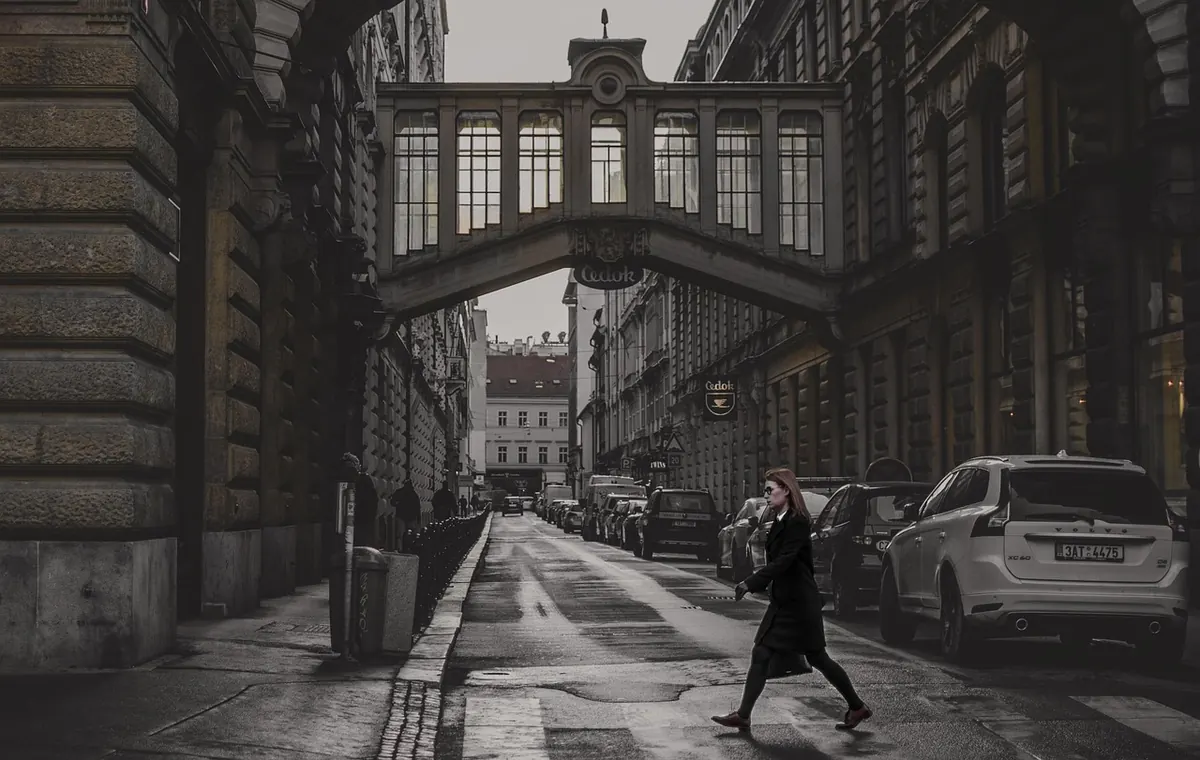
An alley never looks the same twice. The same three metres of stone in Bologna can be a tunnel of cold shadow in February and a warm, noisy corridor of lunchtime conversation in May. Weather decides which lanes are pleasant, which are punishing, and which are worth saving for another trip. What follows is a walker's calendar: what each season actually does to Italian alleys, and how to plan around it.
Spring: Wet Stone, Wild Flowers, and the Return of the Laundry
Spring arrives in the alleys before it arrives anywhere else. Cracks between cobbles sprout chicory and valerian, window boxes come back to life, and washing reappears on lines strung between third-floor shutters. It is also the season of rain — brief, heavy, and often in the afternoon.
The practical consequence is grip. Polished stone is genuinely treacherous when wet: Rome's sampietrini, Venice's masegni, and the worn limestone steps of almost any hill town turn slick within minutes. Wear rubber soles with real tread, and take descending stairways slowly and sideways where there's a handrail.
Spring is the season to walk in two shifts. Aim for 8am to 11am while the stone is still dry and the light is soft, then retreat for lunch and let the shower pass. Carry a small folding umbrella rather than a rain jacket: alleys are narrow, walls are close, and a jacket becomes a sauna by the second climb.
What spring changes about opening hours
Churches and small museums often keep a midday closure that stretches from roughly 12.30 to 15.30 or 16.00, and spring is when you notice it most, because the light outside is inviting exactly when the doors are locked. Check the day before, not on the steps.
Easter brings a surge of visitors to the big art cities. Outside that fortnight, May weekdays are one of the calmest windows of the year for smaller towns — the light is good, the crowds are thin, and the bars have put their tables back outside.
Summer: Plan the Route Around Shade, Not Around Sights
In July and August, shade becomes the itinerary. Before you leave in the morning, look at a map and ask a simple question: which lanes will be in shadow at 2pm? North-facing alleys, porticoed streets and the deep, tunnel-like lanes of older quarters stay walkable when open squares are unbearable.
Italy has excellent natural air conditioning if you know where to find it. Bologna's porticoes run for kilometres and keep the pavement cool. Genoa's caruggi are so tightly built that the sun barely reaches the ground. In Naples, the stairways of the Quartieri Spagnoli drop into shadow by mid-morning. Bari Vecchia, with its whitewashed walls and washing overhead, is at its best before 10am, when the orecchiette tables are still out and the lanes belong to residents.
Walk early and late, and treat the middle of the day as a siesta you didn't plan. Two shorter walks — 7am to 9.30am, then 6.30pm until dark — will show you more than one exhausted afternoon march. The evening version is often the better one: doors open, radios on, dinner smells, and locals reclaiming the street.
- Carry a refillable bottle and top it up where you see locals doing the same; in many Italian towns the public fountains are fine to drink from, but respect any acqua non potabile sign.
- Wear a hat that shades your neck, not just your face.
- Choose loose linen or cotton over technical fabrics — the point is airflow, not wicking.
- Keep a light scarf or shirt for church interiors, which can be cool and expect covered shoulders.
If you have heart or respiratory conditions, or you're travelling with someone who does, heat plus steep stairways is a real strain. Speak to a doctor before planning long climbing days in high summer; nothing in a guidebook is worth a medical gamble.
Autumn: The Walker's Season
September and October are the best months for alley walking in most of Italy, and it isn't close. The stone holds the day's warmth into the evening. The light drops lower and starts raking across facades instead of hammering down on them. Rain returns, but as a passing shower rather than a spring downpour, and the air clears.
This is when small-town Italy is at its most walkable: grape harvest, chestnut stalls, and the sagre — local food festivals — that fill weekends in the countryside. Lanes that were empty and shuttered in August fill up again with people who actually live there.
Two autumn cautions. First, in Venice and parts of the lagoon, seasonal high water can flood the lowest lanes; when it does, raised walkways go up and the city keeps moving, but check tide forecasts before planning a route through the lowest quarters. Second, the big art cities stay busy well into October — quieter lanes are still the answer, not quieter cities.
Winter: Bare Branches, Low Sun, and Doors That Actually Open
Winter strips the alleys back. No leaves, no awnings, no café furniture spilling into the street — just stone, doorways, and whatever the light is doing. In the Po Valley, fog can turn a lane into a grey corridor where sound travels strangely and a bell tower appears two streets early. It's atmospheric rather than comfortable.
The light is the compensation. A low winter sun travels down an east-west alley for an hour or two in the middle of the day, lighting one wall and leaving the other in blue shadow. Photographers wait all year for that. Walkers get the same benefit with fewer people in the frame.
Practicalities shift. Churches often shorten winter hours; some trattorie close for a week or two in January; shops shut earlier. On the other hand, Christmas brings presepi workshops in Naples' San Gregorio Armeno, markets in town squares, and a general willingness to let you stand inside a doorway out of the wind. Dress in layers rather than one heavy coat — you'll go from cold lane to warm bar and back again several times an hour.
Photography: Follow the Light, Not the List
The best alley photographs are usually made in the season you'd least expect. Summer midday light is too harsh for texture, so shoot in shaded lanes or return after 6pm, when the sun is off the walls and the light turns even. Spring overcast is ideal for detail — doorbells, house numbers, worn thresholds, a bicycle against a wall — because there are no shadows cutting across them.
Autumn and winter give you the two things summer can't: long shafts of directional light and empty streets to stand in while you wait for someone to walk through them. Be patient for a figure in the frame; a lane photograph with nobody in it often feels like scenery, not a place.
And a courtesy that matters: don't photograph people's doorways for minutes at a time, don't block a lane that residents need to pass through, and ask before photographing faces. A nod at the owner of the shop you're shooting through is usually enough.
A Year-Round Alley Checklist
Whatever the season, a few habits make alley walking better.
- Wear broken-in shoes with tread. Not new leather soles, not smooth trainers. Wet polished stone is the single most common hazard in Italian lanes.
- Walk twice a day. Ninety minutes in the morning, ninety in the early evening, and let the middle of the day go.
- Check opening hours the day before. Church and museum timetables change with the season, and a locked door on a four-flight climb is a hard lesson.
- Learn the local word. Vicolo works almost everywhere; in Venice it's a calle, in Genoa a caruggio, in parts of Tuscany a chiasso. It helps when you ask directions and helps more when you read a street sign.
- Carry small change. A standing coffee at the bar is the cheapest way to warm up, dry off, or wait out a shower.
- Leave the main street. The rule holds in every season: one turn off the obvious route, fifty metres in, and the noise drops by half.
Choose your season by what you want from the walk. Spring for green and quiet, summer for early mornings and long evenings, autumn for light and appetite, winter for empty stone and warm doorways. The alleys are the same lanes every time. You won't be.
Photo: G00dNew5 / Pixabay