The Quiet-Hours Checklist for Exploring Residential Italian Alleys Respectfully
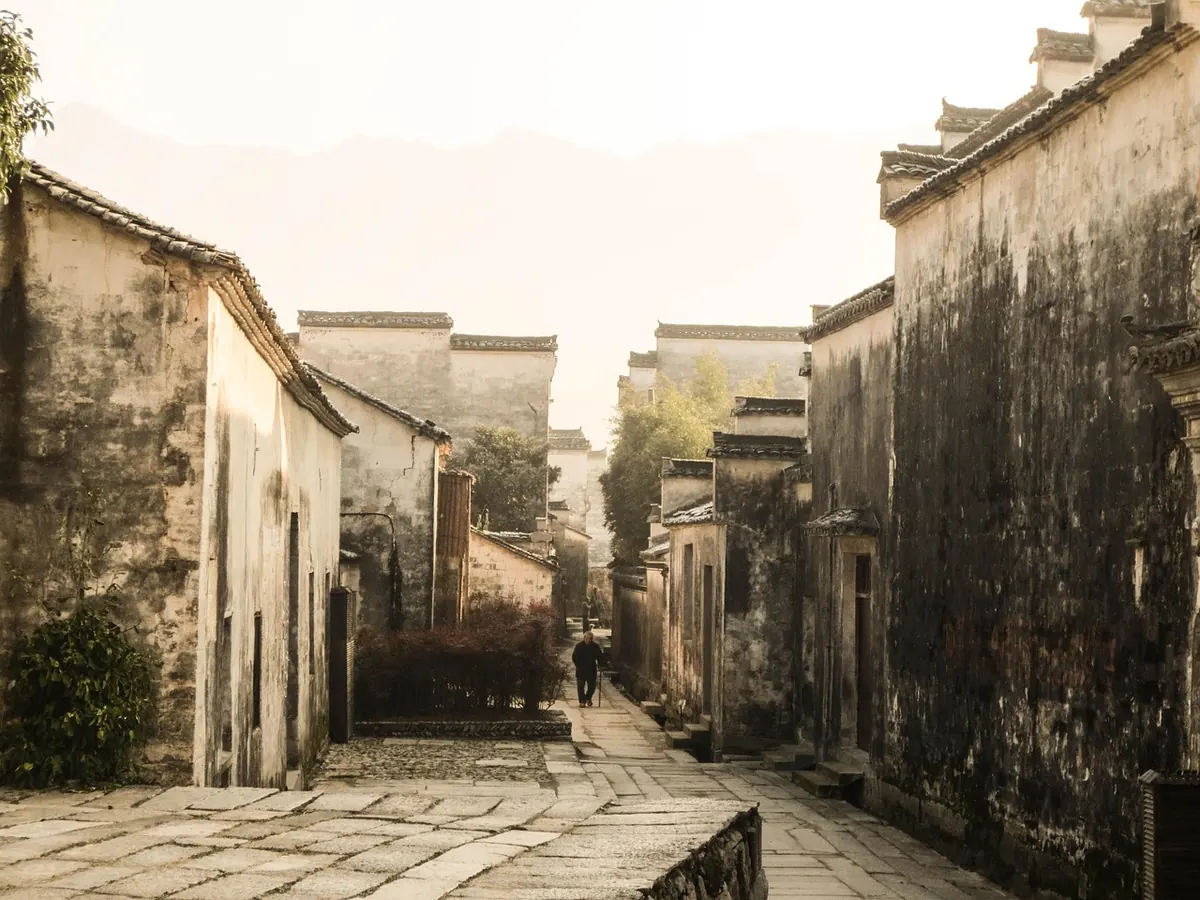
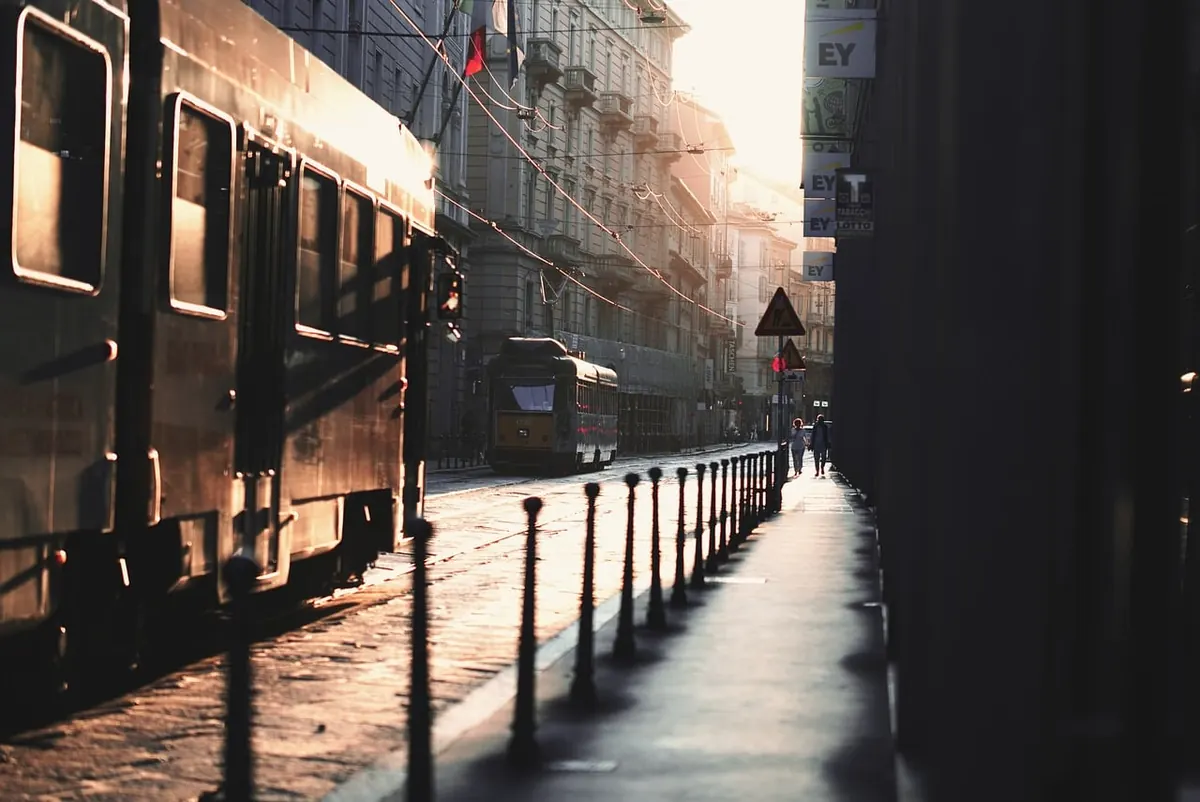
At eight in the morning, an Italian alley belongs to the people who live in it. A woman in a dressing gown clips the shutters open. Someone drags a plastic chair into a patch of sun. The smell of coffee comes out of a doorway and the cat that sleeps under the third step is still there, exactly where it was yesterday. You, arriving with a camera and a loose plan for the day, are a guest in a corridor that happens to be outdoors.
None of this means you shouldn't walk these lanes. They are some of the most rewarding places in the country — cool, crooked, full of small architecture and real life. It only means the visit works better when you time it, quieten it, and pay attention to what the street is telling you. Here is how to do that.
Time Your Visit Around the Day, Not the Guidebook
Residential alleys have a rhythm, and it is remarkably consistent across regions even though the exact hours shift from town to town and season to season. Learn the four windows that matter and most of your problems disappear before you take a single photograph.
Early morning, roughly before eight, is when people leave for work and when the older residents sweep their doorstep, water the plants, and talk to each other across the lane. It is beautiful light and terrible timing for standing still with a lens. If you're up that early, keep moving and keep it brief.
Midday to mid-afternoon is the quietest stretch in many towns, especially in summer, when shutters close and the alley empties. That silence is not an invitation to be loud; it's the sound of people sleeping. Voices carry unusually well off stone walls when everything else is still.
Late afternoon, when the light goes golden and the chairs come back out, is the social hour. People are awake, doors are open, children are outside. This is the friendliest time to walk slowly — but also the time when you're most visible, so manners matter more than ever.
Evening after dinner is family time, and televisions and conversations travel through windows. A stroll is fine in most places; a loud conversation under someone's bedroom window at eleven at night is not. Sunday lunch deserves the same respect, and so do local feast days, when the alley may be full of neighbours who will notice a stranger immediately.
Lower What You Carry Into the Space
Sound is the thing people remember. Not that you passed through, but that your wheeled suitcase rattled over the cobbles for ninety seconds at seven in the morning, or that your phone played a video out loud while you waited for the sun to move.
A few practical adjustments do most of the work. Carry your bag rather than rolling it across stone. Turn your phone to silent, and never use the speaker for calls or music. Keep your speaking voice at the level you'd use in a small shop, not the level you'd use outdoors on a beach. Laughter and normal conversation are fine — it's amplification, shouting down the lane to a friend, and the sharp clack of hard heels at six in the morning that wear thin.
If you're filming, remember that a drone over a courtyard is one of the most intrusive things a visitor can do here. Beyond being unwelcome, local rules on where you may fly vary and are restrictive in built-up areas; check before you even unpack it. Camera shutters and the beep of a self-timer are small sounds, but they're unfamiliar ones, and in a silent alley they carry.
Read the Alley Before You Walk Through It
Before you commit to a lane, spend ten seconds looking at it. The street will tell you whether it's a thoroughfare or something closer to a shared hallway.
Small signals that tell you a lot
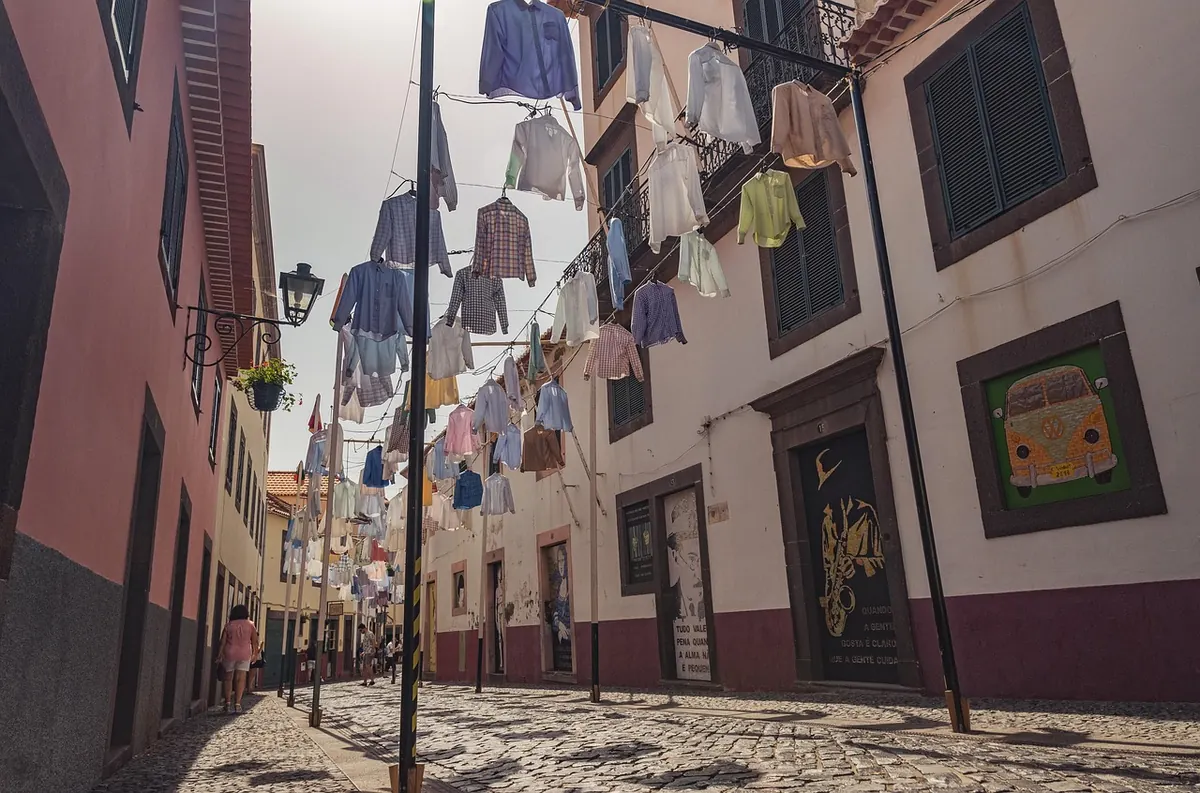
- Laundry lines overhead, including underwear and bedding, mean the lane is a working extension of the home.
- Chairs, benches and potted plants set out by a door mark a threshold people treat as their own.
- Dishes of water or food on the ground mean cats are fed there, usually by someone specific.
- Open ground-floor doors and lit hallways are private interiors, not scenery.
- Handwritten signs asking for silence, or asking people not to sit on steps, exist because visitors ignored the first, gentler signals.
- A lane that dead-ends in a courtyard is almost always someone's front yard. If you're not staying there, don't wander into it.
Also look up. Windows are people's living rooms and bedrooms, and a camera pointed at a window is a camera pointed into a home. If a shutter is half open and you can see a figure behind it, that's your answer.
Pass Through, Don't Perform
The difference between a visitor and a spectacle is usually posture. Walking through with a map, a quiet voice and a reasonable pace reads as respectful. Stopping dead in a doorway, holding a pose against someone's wall, sitting on their step to rest, or propping a tripod against a drainpipe reads as occupation.
Photograph the architecture freely — the shutters, the arches, the stone, the light. Photograph people only when they invite it, and ask with a gesture and a smile if your words run out. Never photograph children you don't know. Don't shoot into open doorways, and don't photograph laundry hanging in someone's window as though it were decoration. If a resident covers their face, turns away or waves you off, that's the whole conversation: lower the camera, nod, move on.
The Quiet-Hours Checklist
- Check the time before you turn the corner. Is it before eight, during the midday rest, or after dinner?
- Silence your phone and put it away — calls in the lane echo.
- Lift your bag instead of rolling it over stone.
- Stand at the mouth of the alley for ten seconds and look for laundry, chairs, open doors and signs.
- Turn your voice down one notch from your normal outdoor level.
- Leave your drone packed away. Ask about photography rules locally if you're unsure — in built-up or protected areas they can be stricter than you expect.
- Acknowledge anyone you pass with a short buongiorno or buonasera.
- Keep to a walking pace. No stopping to pose, rest or take pictures in a doorway.
- Point the camera at buildings and sky, not through windows.
- Leave within a few minutes unless the lane is clearly open, busy and public in character.
If Someone Speaks to You
Someone will. Usually it's curiosity, occasionally it's irritation, and sometimes it's an invitation to a conversation you'll remember for years. The greeting from you starts the exchange, so deliver it first: buongiorno until roughly mid-afternoon, buonasera after that. A nod and a smile cover you when you can't say anything else.
If you're told off — and it happens, often for something you didn't realise was intrusive — the correct response is short and calm. Apologise, step back, and leave. Arguing, explaining your good intentions, or pointing out that the street is public will not improve the moment, and it will be remembered. If someone invites you in or offers you something, accept only what you're comfortable with, and don't assume an invitation to take photographs. There's no legal advice to give you here, only this: local rules on filming, drones and access vary by municipality, and when it matters, ask at the town's tourist office or a local police station rather than guessing.
A Last Pass Before You Turn the Corner
One useful habit to carry with you: ask whether you would behave this way in the corridor outside someone's flat. No shouting, no blocking the way, no photographing the inside of open doors, no lingering against a wall for half an hour. It's a plain test, and it covers nearly every situation an alley can throw at you.
Time it around the day. Carry less noise. Read the street for ten seconds before you commit to it. Say good morning and mean it. Do those four things and the alleys give you what you came for — the cool air, the crooked light, the sense of a place that was never designed to be looked at — without anyone having to close a shutter because of you.
Photo: user1490668577 / Pixabay