Alley Shadows vs. Piazza Sun: Choosing the Best Time of Day for an Italian Walking Tour
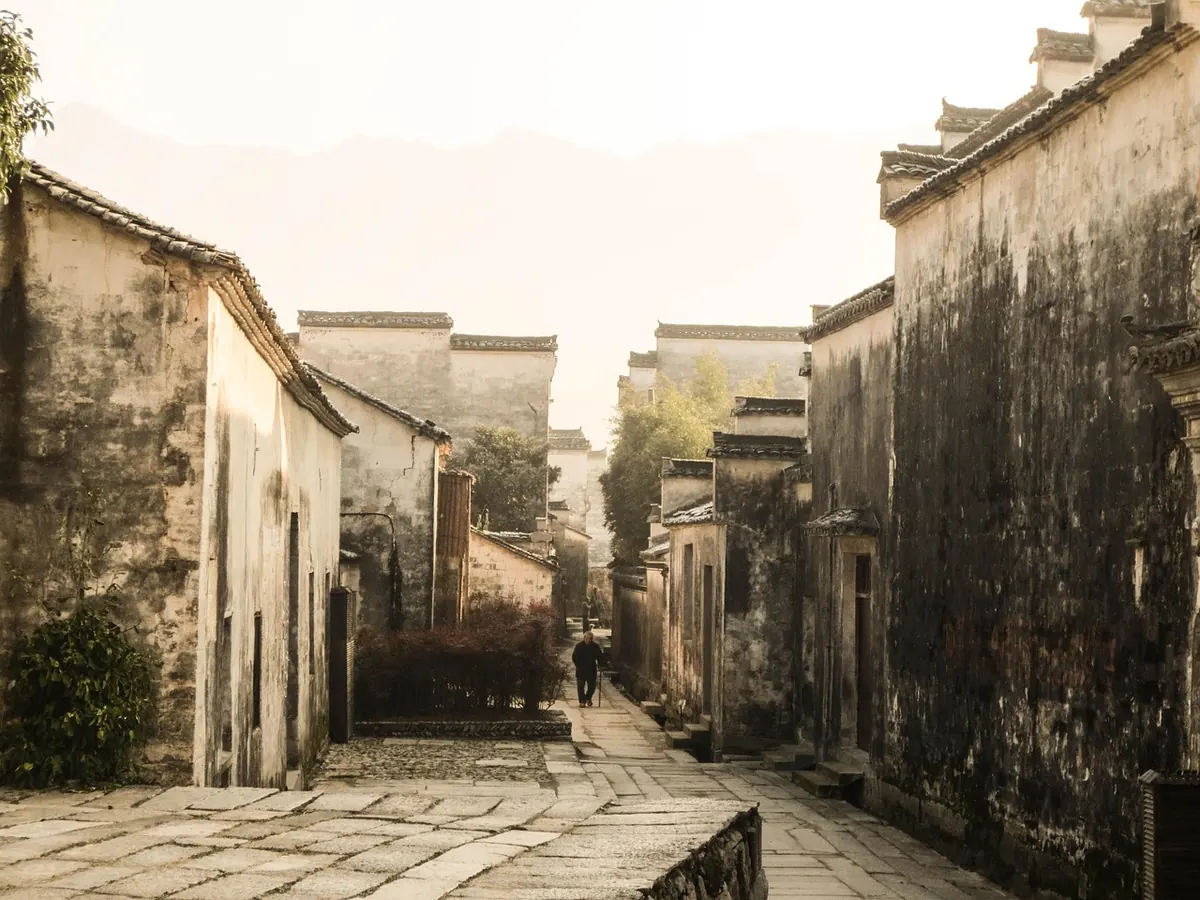
At seven in the morning, a vicolo behind Piazza Navona belongs to a man hosing down the cobbles, two old friends arguing quietly on a doorstep, and a cat with somewhere to be. By half past one, the same alley is a hot slot of shade jammed with people trailing a raised umbrella. At nine at night it is a lantern-lit corridor of clinking forks.
Nothing about the street has changed except the hour. That is the whole argument for planning a walk around time rather than distance. Light, heat, crowds and the ordinary life of a street all shift through the day, and the walk you get at seven in the morning is not the walk you get at seven in the evening. Here is how each window actually behaves, and how to choose between them.
Morning Walks: The City Before It Wakes
The first three hours of daylight are the closest thing to having a town to yourself. Before eight, the only traffic is a delivery van reversing badly and a scooter carrying bread. Light comes in low and raking, so facades catch a warm side-glow and shadows stretch the full width of the street. Photographs taken now have soft contrast and, more importantly, nobody in them.
This is also when a place shows you how it works. Shutters go up, shopkeepers sweep the step, market stalls get assembled crate by crate, and the bar counter fills with people standing for a coffee and a pastry. You will not find a better hour for a market street: by eleven, the good stuff is picked over and the aisles are thick with elbows.
Where morning goes wrong
Churches often open later than you expect, and some small ones do not open at all before mid-morning. Alleys that run north to south can sit in deep shade until the sun climbs, which makes for moody photos but a cold wait if you have arrived underdressed. From about 10:30 the heat and the tour groups arrive almost together, and the spell breaks quickly.
Midday: Sun Overhead and a Different Kind of Walk
Between roughly noon and four in summer, the honest advice is to stop walking and start sitting. The sun is high, the contrast is brutal, pale stone turns white and shaded doorways turn into black rectangles. Photographs taken at this hour often look either bleached or muddy, and there is little you can do about it with a phone.
In smaller towns, midday is also when things close. Shutters come down, the piazza empties, and a walk that looked promising on a map becomes a route past a lot of locked doors. Many churches and small museums pause for a few hours around lunchtime, though the exact times vary by town and season, so check the notice on the door rather than trusting a guidebook.
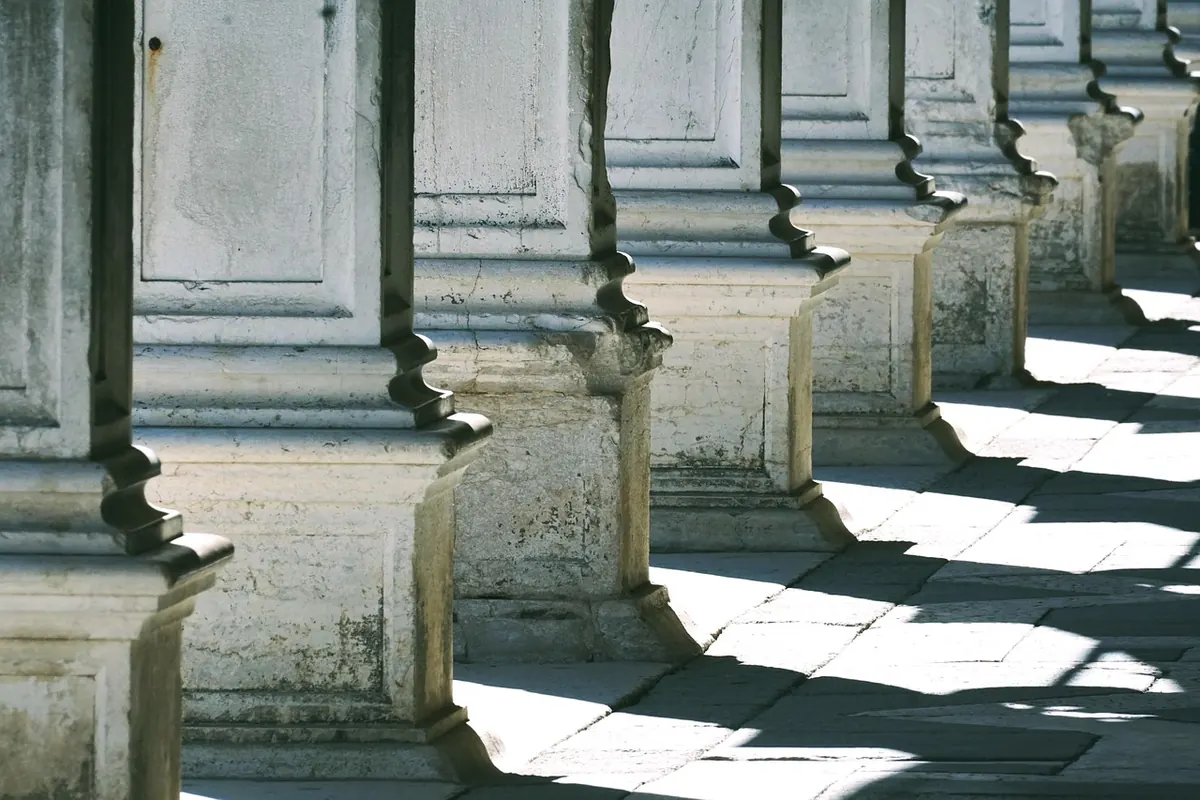
Used well, though, midday has a job. It is the right time for interiors: a cool church, a museum, a long lunch, a nap in a room with the blinds down. Narrow alleys running roughly north to south can be wonderful now, because a steep shaft of sun drops between the rooflines and cuts the street into bright and dark halves. If you want graphic, high-contrast photographs of laundry lines and worn stone, this is your hour — just keep the walking short and shaded.
Late Afternoon: The Slot Most People Skip
Somewhere around four or five, depending on the season, the day turns. The light softens and swings across the facades, the heat loses its edge, and the streets fill again with people who are not in a hurry. Shops reopen, kids come out, and the first chairs appear outside the bar. In summer this is often the most comfortable walking of the day, and it comes with a bonus: the light is good enough to flatter almost anything.
Evening: Golden Hour, Blue Hour and the Passeggiata
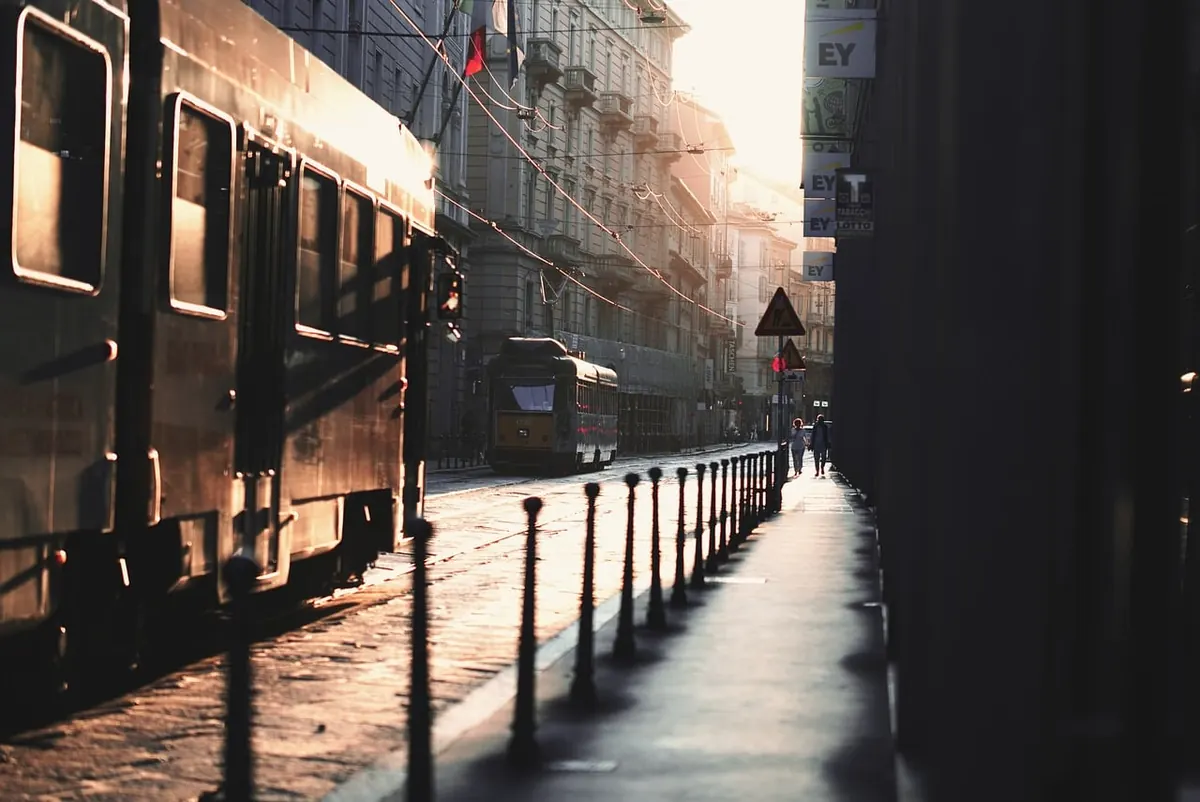
The last hour before sunset does the heavy lifting. Stone turns honey-coloured, the sky does something dramatic behind the rooftops, and every doorway looks like a film set. Then, for twenty or thirty minutes after the sun goes down, you get the blue hour: a cool sky above warm streetlamps, which is the finest light there is for a lit alley.
Evening is also when a town performs. The passeggiata fills the main street with families and teenagers and elderly couples in good coats. It is crowded, and the crowd is the point. If you want empty streets, walk one block off the main route and the sound drops away entirely. Restaurants start serving around eight, so the hour between seven and eight gives you lit windows, kitchen smells and alleys that are busy without being jammed.
One practical note: cobbles, uneven steps and dark corners are harder to read after dusk. Take your time, keep a light to hand, and watch where you put your feet rather than your camera.
Reading the Light Before You Set Out
You can predict most of this in thirty seconds. The sun rises in the east, sets in the west and sits roughly south at midday. So an alley running east to west stays shaded most of the day and flares at one end at sunrise or sunset. An alley running north to south catches sun only when it is high. Check your route against a compass, then check which way the facades face: the ones looking west will be lit in the evening, the ones looking east in the morning.
Season matters just as much. In June the sun is high and harsh by eleven and the golden hour comes late, around eight; in November the light stays low and soft all day but the alleys never fully brighten, and a grey afternoon can flatten a whole town into one tone. Overcast days, incidentally, are excellent for detail and terrible for drama.
Matching the Route to the Hour
Once you know how the light behaves, pair each stretch of your walk with the hour that suits it.
- Market streets and food lanes: before ten, when stalls are being built and the produce is still intact.
- Church-heavy routes and interiors: late morning or mid-afternoon, after checking the local closing hours.
- Hill towns, walls and viewpoints: the first hour after sunrise or the last hour before sunset, when the air is clearest.
- Residential alleys and doorways: early morning for quiet, after eight for lit windows and cooking smells.
- Narrow-lane photography: midday for hard shafts of sun, blue hour for lanterns and wet-looking stone.
- People-watching: the evening passeggiata, without apology.
How to Decide, Practically
The simplest plan is two walks in one day. Go out early, between seven and ten, when the streets are cool and empty and the town is still itself. Then stop. Eat, rest, sit in the shade, see something indoors. Go out again in the late afternoon and stay until the light goes, which in summer means a long, generous evening.
Carry water, wear a hat, and take the shaded side of the street without feeling heroic about it. If you are sensitive to heat, talk to a doctor before planning long midday walks in July or August; that is a conversation worth having before you leave home, not on a hot pavement.
And if you only have one window available, take the evening. Morning gives you emptiness and honesty, but the evening gives you the town awake, warm and lit, which is usually the reason you came.
Photo: Kranich17 / Pixabay